

As technology keeps to advance at an unprecedented pace, the relationship between humans and machines is growing more and more intricate and meaningful. Human-Robot Interaction, or HRI, is at the leading edge of this transformation, encompassing a broad field that blends elements of engineering, design, cognitive science, and moral philosophy. A Human-Robot Interaction course offers individuals with the unique chance to explore this dynamic interface, gain vital skills, and get ready for careers that leverage the potential of robots in multiple sectors, from healthcare to amusement.
In this article, we will explore the key aspects of Human-Robot Interaction courses, emphasizing why they are important for anyone interested in influencing the next era of tech. Whether you are a novice looking to comprehend the fundamentals or an experienced learner seeking to enhance your understanding, we will discuss all aspects from the essential skills you'll gain to the exciting career opportunities that await you after finishing. Join us as we navigate through the fascinating world of human-robot partnership, the advancements in machine intelligence, and the moral implications that arise in this ever-evolving field.
Grasping Human-Robot Interaction
HRI, also known as HRI, is a multidisciplinary field that explores the interactions between humans and machines. As tech keeps to evolve, the integration of automated systems into daily life has turned increasingly widespread. This field encompasses various aspects, including the creation, development, and implementation of automated systems that can communicate and work together effectively with humans. Understanding this field is essential for creating robots that meet user needs and can function smoothly in different environments, including residential and industrial settings.
At its heart, HRI focuses on how people view, engage with, and learn from robots. This involves analyzing user experience, social robotics, and cognitive psychology to improve how robots can help or enhance people's capabilities. Scientists and developers analyze behavior responses and emotional connections to make sure automated systems are not only functional but also approachable and reliable. HRI certification of HRI is important for creating automated systems designed for specific tasks, such as nursing or production, and requires a deep understanding of people's behavior.
The significance of HRI extends beyond just technical developments; it raises ethical questions and societal implications as well. As automated systems assume more functions in everyday life, grasping the social impact of these interactions becomes crucial. Topics such as data privacy, job displacement, and the moral obligations of automated system creators are critical components of any comprehensive HRI course. Familiarizing oneself with these concepts prepares students to play a role in the ethical development of robotic technologies that improve society.
Key Skills and Career Paths
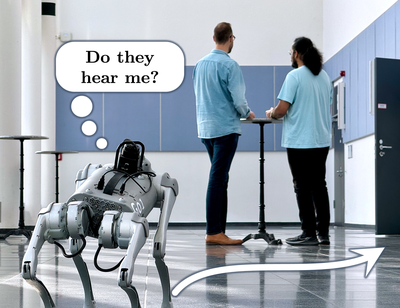
A HRI program equips learners with a varied range of skills essential for navigating the increasingly robotic world. Participants generally gain expertise in grasping user experience design, machine learning principles, and programming for robotics. Communication skills are also highlighted, as successfully conveying ideas between people and machines is essential. The integration of artificial intelligence within robots is one crucial topic, enabling participants to understand how AI influences interaction processes.
Upon finishing a HRI course, alumni can explore various career paths. Opportunities abound in fields such as UX design, robotics programming, and artificial intelligence creation. Many find roles as human-robot interaction specialists, where they bridge the gap between technical design and real-world use. Others may engage in research positions, contributing to advancements in robotic and interactive tech.
The course also prepares learners for emerging roles in sectors like medical, manufacturing, and autonomous vehicles. Professionals equipped with HRI skills are increasingly sought after as companies adopt more robotic solutions. By grasping both the technological and human-centric aspects of robotics, alumni position themselves for success in a world where cooperation between humans and robots will be paramount.
Opting for the Best Course
As you deciding on a Human-Robot Interaction program, it is important to evaluate your personal objectives and passions. Think about whether you are seeking a more technical method that goes into the software and design aspects or if you are interested in the design and user experience side of human-robot interaction. Identifying your interest will help you select a class that aligns with your career goals and job objectives.
A further important aspect to consider is the structure of the class. Search for classes that provide a combination of theoretical knowledge and practical application. https://rentry.co/t8bdg868 are crucial in solidifying your comprehension and permitting you to implement what you study in real-world scenarios. Additionally, consider the structure, whether it is web-based or on-campus, and determine which mode fits optimally with your learning style and time management.
In conclusion, investigate the teaching staff and their experience in the field. A class led by skilled instructors who are actively involved in human-robot interaction investigations can offer valuable guidance and assistance. Furthermore, investigate the university’s relationships to the sector, as strong partnerships can lead to internship possibilities and boost your learning experience.