

In an age in which science fiction is increasingly merging with reality, the domain of Human-Robot Interaction stands at the cutting edge of technological innovation. As robots becoming integral to our daily lives, the need to comprehend and enhance our interactions with them is more crucial than ever. Human-Robot Interaction courses offer a unique opportunity for individuals to explore how humans and robots can collaborate effectively, paving the way for advancements in artificial intelligence, robotics, and design.
Such courses provide students with essential skills to navigate this changing landscape. From the ethical implications of robotics to hands-on projects that replicate real-world applications, Human-Robot Interaction course s cover a broad spectrum of topics. Aspiring professionals can anticipate to delve into complex concepts while also learning the basics through guided instruction. With increasing career opportunities in this sector, now is the time to grasp what these courses involve and how they can mold the prospects of technology and human experiences.
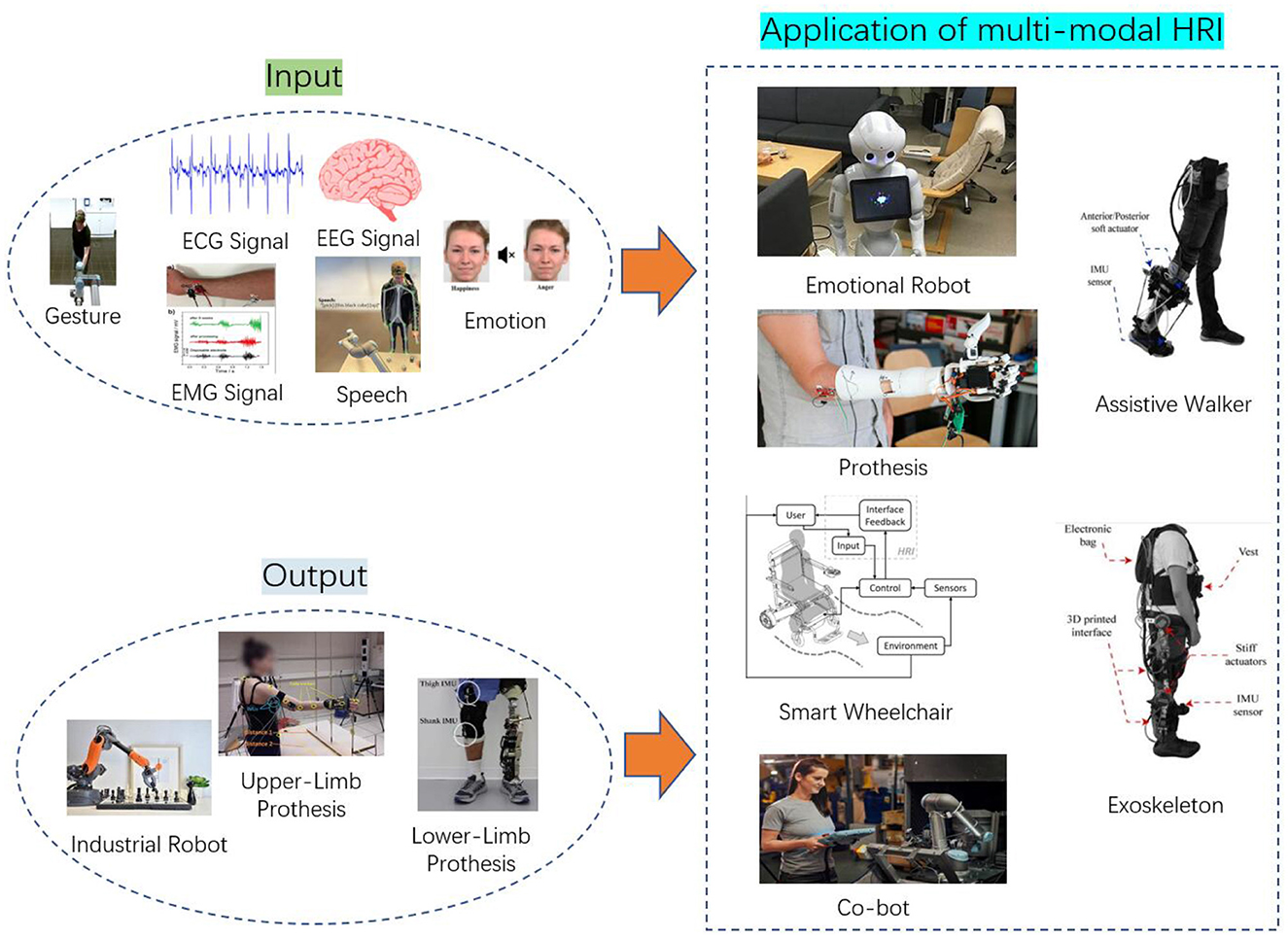
Grasping Human and Robot Interaction
Human-Robot Interaction refers to the multidisciplinary field that concentrates on the relationship between people and machines, highlighting how they interact, cooperate, and coexist. As robots are progressively integrated into our routine lives, comprehending HRI is crucial for creating systems that are not only efficient but also accessible and adaptable to the needs of people. The objective is to create machines that can accurately decipher human intentions and behavior while providing trustworthy help in different settings, from households to offices.
The importance of HRI lies in its applications across multiple domains, such as medical care, teaching, entertainment, and industry. As robots take on more intricate and interactive roles, it is essential to foster skills that allow designers and technicians to predict interactions and embed moral aspects into the behavior of robots. By aligning robot functions with user expectations, professionals in this area can improve the overall performance and adoption of automated solutions.
Furthermore, HRI is a rapidly developing discipline that includes technical elements, such as software development and sensor integration, as well as cultural and psychological factors, including customer experience and reliability. This difficulty requires a comprehensive approach to learning and prompting the emergence of specialized classes that prepare individuals with the necessary skills to navigate this cutting-edge landscape. By fostering a more profound knowledge of how people and robots can interact cooperatively, these classes greatly enhance the development of technology and the community as a whole entity.
Benefits and Skills Gained
Signing up in a Human-Robot Interaction course offers numerous benefits that go beyond just academic knowledge. One of the primary advantages is the chance to interact with cutting-edge technology, providing a real-world experience that boosts applicable skills. Participants gain expertise with the most recent advancements in robotics and artificial intelligence, positioning them well in a fast-changing job market where these skills are in great need. This interaction leads to a deeper understanding of how robots can be employed into various sectors, from medical to manufacturing.
Another important benefit is the development of essential soft skills such as interpersonal skills, collaboration, and critical thinking. Given that human-robot interactions often involve cooperation between teams consisting of varied expertise, participants learn to articulate ideas and work effectively with peers. These skills are not only crucial within the context of robotics but are also applicable to various professional environments, making graduates of these courses more versatile and appealing to job markets.
Lastly, a Human-Robot Interaction course fosters innovation skills by promoting imaginative thinking and experimentation. Students often engage in experiential projects that challenge them to design and test individual robot interactions. This process not only enhances technical aptitudes but also fosters an entrepreneurial mindset, preparing learners to contribute to developments in technology or even launch their own initiatives in the robotics field. As such, these courses provide both foundational knowledge and the forward-thinking abilities needed to thrive in upcoming careers involving robots and AI.
Upcoming Outlooks and Trends
The field of HRI is swiftly evolving, driven by advancements in AI and machine learning. As robots become increasingly proficient at understanding human feelings and motivations through advanced sensing technologies and data analytics, the communication between humans and robots will evolve more natural and effortless. This change will change the nature of activities that robots can assist with, encouraging a prospect where collaborative robots work securely alongside humans in diverse environments, from medical settings to manufacturing sites.
In further to technological innovations, ethical considerations will have a crucial role in influencing the future of Human-Robot Interaction. Courses in this domain will progressively highlight ethical design, ensuring that moral principles are incorporated into robotic systems. As autonomous systems penetrate daily life, understanding the effects of robot behavior and choices will be crucial. This focus on ethical practices will not only build trust between users and robots but also support the development of standards that oversee the proper use of robotic technologies.
As a result, new trends in HRI will certainly include increased personalization and flexibility in robots. Future robots will be developed to adapt based on user feedback and engagements, resulting in solutions tailored to individual requirements. This change will demand professionals trained in HRI to be skilled at merging technical skills with a comprehensive understanding of human factors, ensuring that robots not just perform tasks but also improve human experiences in the journey.